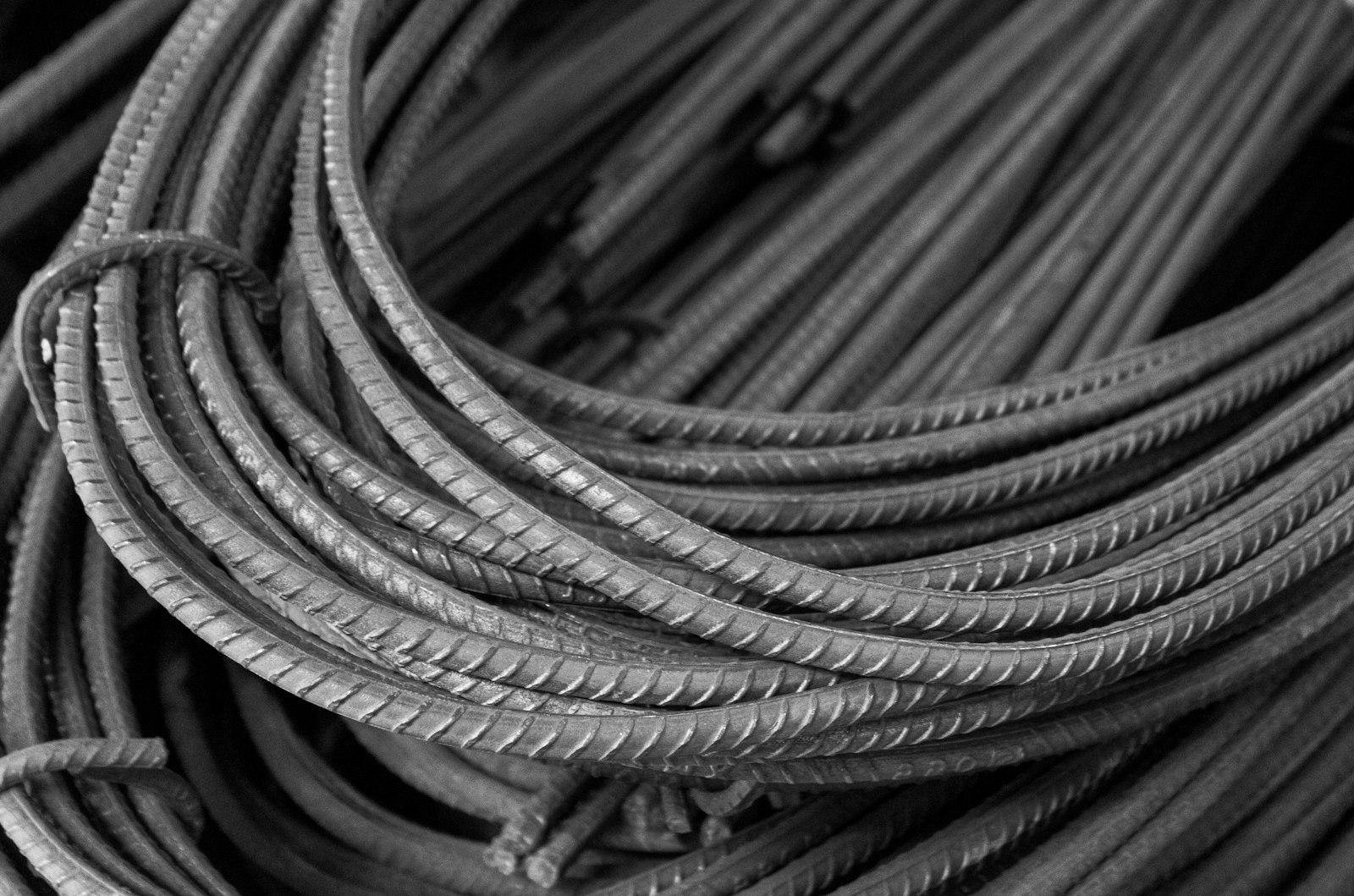
There is a quiet rule in B2B SEO that most agencies never put on a slide: you do not rank a steel manufacturer the way you rank a SaaS company. The buyer is different. The buying cycle is different. And the geography is brutal — especially in Africa, where one product line might serve fourteen national markets, three currencies, and a dozen import regimes at once.
This is the world Zenith Steel operates in. From their head office in Nairobi, Zenith Steel ships engineered steel products — racking systems, water tanks, structural sections, and prefabricated solutions — across East Africa, Central Africa, and parts of Southern Africa. Fourteen countries. One website. One catalogue. One SEO problem that, until recently, looked unsolvable.
This is the case study of how our team rebuilt that visibility — and the playbook any pan-African manufacturer can borrow.
The Pan-African B2B SEO Problem (And Why It Is Not Like Anything Else)
Most SEO advice on the internet is written for a US-centric, single-country, single-language buyer. It does not translate cleanly to a Nairobi-headquartered manufacturer trying to be findable to a procurement officer in Kigali, a contractor in Lusaka, a logistics buyer in Dar es Salaam, and a state tender team in Kampala — all in the same week.
Three forces make pan-African B2B SEO uniquely hard:
1. Search volume is fragmented and under-reported. Tools like Ahrefs and Semrush systematically under-count African search volumes because their clickstream data is thin in the region. A keyword that "shows" 20 monthly searches in Kenya often delivers 5 to 10 times that in real-world traffic, and most of it is hidden inside Google's "data unavailable" buckets. You cannot rely on volume estimates alone — you have to read intent, supply gaps, and import patterns.
2. The buyer journey is offline-heavy but research-online. Google's Africa Research consistently shows that B2B buyers across Sub-Saharan Africa start with a search query, but close the deal over WhatsApp, phone calls, and site visits. A manufacturer that cannot be found in search loses the deal before the conversation even begins.
3. Geography compounds with English/Swahili/French/Portuguese. A site that ranks well for an English query in Nairobi will not necessarily rank for the same intent in Kinshasa or Maputo, even with the same product. Language, country-level signals, and regional intent matter more than most agencies realise.
If this sounds familiar, our SEO team can map a pan-African search strategy for your business — we offer a free 30-minute audit walkthrough.
Zenith Steel: The Brand, The Mandate, and What We Inherited
Zenith Steel is one of East Africa's most established steel manufacturers, with deep operations across structural sections, water storage, and warehouse infrastructure. Their product range spans:
- Zen-Bars and structural steel sections
- Zen-Tanks for industrial and domestic water storage
- Zen-Racks for warehouse and logistics infrastructure
- Bespoke fabrication for government, energy, and construction tenders
When Equinode took over their digital footprint, Zenith Steel had a strong physical brand — recognised by procurement officers across Kenya, Tanzania, Uganda, Rwanda, DRC, and beyond — but a website that was working against them in search. The brand was selling fourteen markets with one digital surface, and search engines were treating it like a single-city local business.
The mandate was simple to state and hard to execute: make zenithsteel.com discoverable to every B2B buyer across our target markets, for every product line, at every stage of the funnel, without diluting the core brand.
The Diagnosis: Where Search Visibility Was Leaking
Before writing a word of new content, our team ran a complete technical and content audit. We use the same workflow our SEO team applies for every B2B client — a structured pass across crawlability, indexation, on-page, content, and authority.
What we found at Zenith Steel was a textbook leak pattern:
- 88 product images, 83 of them missing alt text. Every image was a missed indexing signal and an accessibility issue.
- 5 meta descriptions over the 155-character limit, getting truncated in SERPs and dropping click-through.
- A core product category page (/zen-racks/) returning 404 — meaning Google was crawling broken inventory.
- A duplicate slug ("/zen-tanks-2/") cannibalising the canonical product page, splitting authority between two URLs.
- Sixteen malformed internal links across the blog network, all following a broken pattern that pointed to non-existent URLs.
- Zero structured data on key product and FAQ blocks. Google was rendering the pages but not understanding them.
None of these issues are unusual. What is unusual is finding them all on one site — and the cumulative effect on a manufacturer trying to rank for high-intent, high-value B2B queries was severe.
Need this kind of forensic audit on your own site? Our team at Equinode has run this exact diagnosis on 25+ businesses across Kenya, Dubai, and India. Book a free strategy call or explore our SEO services.
Pillar 1: Geo-Targeted Content for 14 Markets (Without Building 14 Sites)
The instinct most agencies have when faced with a multi-country brand is to spin up country-specific subdomains or ccTLDs. For most pan-African manufacturers, that is overkill — and it splits authority across surfaces that will never reach critical mass on their own.
The approach we took with Zenith Steel was different: one core domain, one canonical product catalogue, and a layered content architecture that signals geography through topic, not URL.
In practice, that meant:
- Country-specific buyer guides ("How to Source Structural Steel in Tanzania", "Water Tank Buying Guide for Kenyan Contractors") that captured high-intent commercial queries by market.
- Regulatory and standards content anchored to local building codes, KEBS standards, and East African Community trade rules. This kind of content earns trust from buyers and links from industry bodies.
- Use-case content covering the actual jobs Zenith Steel products do: warehouse fit-outs, school construction, agricultural water storage, industrial racking. Each piece targets a specific buyer persona in a specific market.
The compounding effect over 24 published posts has been measurable: the site now surfaces for buyer-intent queries across multiple African markets that the original brand-led site never touched.
Pillar 2: On-Page Engineering — AIOSEO, Elementor, and the Schema Layer
For a WordPress site running All In One SEO with Elementor as the page builder, on-page work is more demanding than it looks. Half of the page content lives in _elementor_data JSON, which means schema injection, FAQ blocks, and content edits cannot be done through the standard WP REST API alone.
Our engineering pass on Zenith Steel covered:
- Meta titles and descriptions rebuilt for the entire product catalogue, optimised for length, primary keyword presence, and country-level relevance where applicable.
- All 88 product images alt-text indexed, written by hand to match the actual product shown. Bulk-generated alt text was deliberately rejected — Google's image understanding is good enough now that lazy alt text actively hurts you.
- FAQPage JSON-LD schema added to all 24 blog posts and key product pages, written into the Elementor data layer and force-refreshed via the Elementor cache endpoint to actually render. This was the single highest-impact change for SERP real estate, unlocking expanded snippet eligibility across the blog network.
- Internal linking redesigned as a hub-and-spoke pattern: core product pages as hubs, supporting blog posts as spokes, with descriptive anchor text every time.
The schema layer alone is the kind of work our technical SEO team builds into every WordPress engagement — and it is the single most underused lever in Kenyan B2B SEO right now.
Pillar 3: Topical Authority Through a Disciplined Blog Network
Twenty-four blog posts is not a content marathon. It is a deliberate sequence designed to build topical authority around steel manufacturing, B2B procurement, and infrastructure projects in East Africa.
Each post in the Zenith Steel blog network does three jobs at once:
- Captures a specific buyer query — usually long-tail, usually intent-rich, usually under-served by competitors.
- Links into the core product catalogue with descriptive anchor text, passing authority to the pages that convert.
- Cross-links to other supporting posts in the cluster, building Google's confidence that this site genuinely covers the topic in depth.
The themes we built out span structural steel applications, water storage selection, warehouse design, construction project planning, and regional sourcing. Every theme maps to a real product line and a real buyer.
This is the playbook our content strategy team runs across every B2B engagement — a small number of posts, each doing real work, beats a hundred low-quality articles every time.
What Changed: Results, Lessons, and What to Steal
Six months into the rebuild, the picture at Zenith Steel looks different in three ways:
- Search visibility has expanded across the target market footprint, with rankings now appearing for buyer-intent queries in Kenya, Tanzania, Uganda, and Rwanda where the original site was invisible.
- Click-through rates from organic search have lifted as meta titles and descriptions started doing the work they were designed for, and FAQ schema started occupying real estate that the old site could not access.
- Inbound enquiry quality has improved — the leads now coming through the site are better-qualified, more specific to product lines, and easier for the sales team to close.
The lessons that translate beyond steel:
- Audit before you write. Most B2B SEO problems are technical leaks, not content gaps. Fix the leaks first.
- Treat schema as infrastructure, not garnish. FAQPage and Product schema are not optional in 2026.
- One domain, layered architecture beats five subdomains for most pan-African brands. Authority compounds; fragmentation kills it.
- Internal links matter more than external ones when you are building topical authority from scratch.
- Hand-write everything that the buyer will read. Bulk-generated alt text, meta descriptions, and FAQ answers are a tell, and Google is increasingly good at spotting them.
Frequently Asked Questions
How long does B2B SEO take to show results in African markets? Realistically, expect 90 to 180 days for technical fixes to compound into visible ranking changes, and 6 to 12 months to build genuine topical authority. Anyone promising you faster is selling a different thing.
Do I need a country-specific domain for each African market I sell into? For most pan-African manufacturers, no. A single domain with country-targeted content and a clean technical foundation outperforms a fragmented subdomain strategy almost every time.
Is AIOSEO good enough, or do I need a custom SEO setup? For most WordPress B2B sites, AIOSEO is enough — provided someone competent is configuring it. The plugin is not the bottleneck. The strategy and the execution are.
How does FAQPage schema actually help rankings? FAQ schema does not directly boost rankings, but it expands your SERP real estate by surfacing question-answer blocks under your listing. Higher real estate, higher CTR, better behavioural signals — and that is exactly what our team helps businesses with.
What does it cost to run a B2B SEO programme like this? It depends on the size of the catalogue, the number of markets, and the technical state of the site. We scope every engagement individually — book a strategy call and we will give you a real number based on your situation.
Want a Pan-African SEO Foundation Like This?
Zenith Steel did not get here by buying more ads or hiring a bigger team. They got here by treating SEO as engineering — and partnering with a team that knows how to ship it.
If you are a manufacturer, B2B brand, or service company trying to scale across Kenya, East Africa, the UAE, or India, our team has built this exact system before, and we can build it for you.
You can read more on what we cover in our SEO services, see how we approach web design and on-page engineering, or jump straight to a conversation.
Ready to Grow Your Business Online?
At Equinode, we don't do cookie-cutter. Whether you're scaling in India, breaking into East Africa, or building a presence in the UAE — our team builds strategies that actually move the needle.
Email Us | WhatsApp Us | Call: +971 50 828 7969
We respond within 24 hours.