



E-commerce SEO Strategy: How to Rank Your Online Store in 2026
Organic search drives over 40% of e-commerce revenue globally, according to Semrush’s e-commerce research — yet most online store owners treat SEO as an afterthought. If your competitors are ranking on page one and you’re not, you’re leaving sales on the table every single day. At Equinode, we’ve helped online businesses across India, Kenya, and the UAE build and execute a winning e-commerce SEO strategy — and the results are consistent: more organic traffic, lower customer acquisition costs, and sustainable revenue growth.
This guide covers every layer of a high-performance e-commerce SEO strategy, from keyword research to technical fixes to content that converts. Whether you run a WooCommerce store in India, a Shopify shop targeting UAE buyers, or a mobile-first marketplace in Kenya, this framework applies directly to your market.
What Is E-commerce SEO (and Why It’s Different)
E-commerce SEO is the process of optimising an online store to rank higher in search engine results pages (SERPs), driving free, sustainable organic traffic that converts into sales. Unlike a standard website, an e-commerce site must optimise hundreds or thousands of individual product pages, multiple category structures, faceted navigation, and dynamic URLs — all while avoiding the duplicate content issues that plague most online stores.
Standard SEO principles apply, but the scale and complexity are fundamentally different. A blog needs five well-optimised pages. An online store might need 500 — each with unique title tags, meta descriptions, product schema, and buying-intent content. That’s why e-commerce SEO demands a systematic, layered approach rather than one-off fixes.
According to Google’s Search Central documentation, search engines prioritise pages that are useful, accurate, and trustworthy — signals that e-commerce stores frequently miss by relying on manufacturer descriptions and thin category pages.
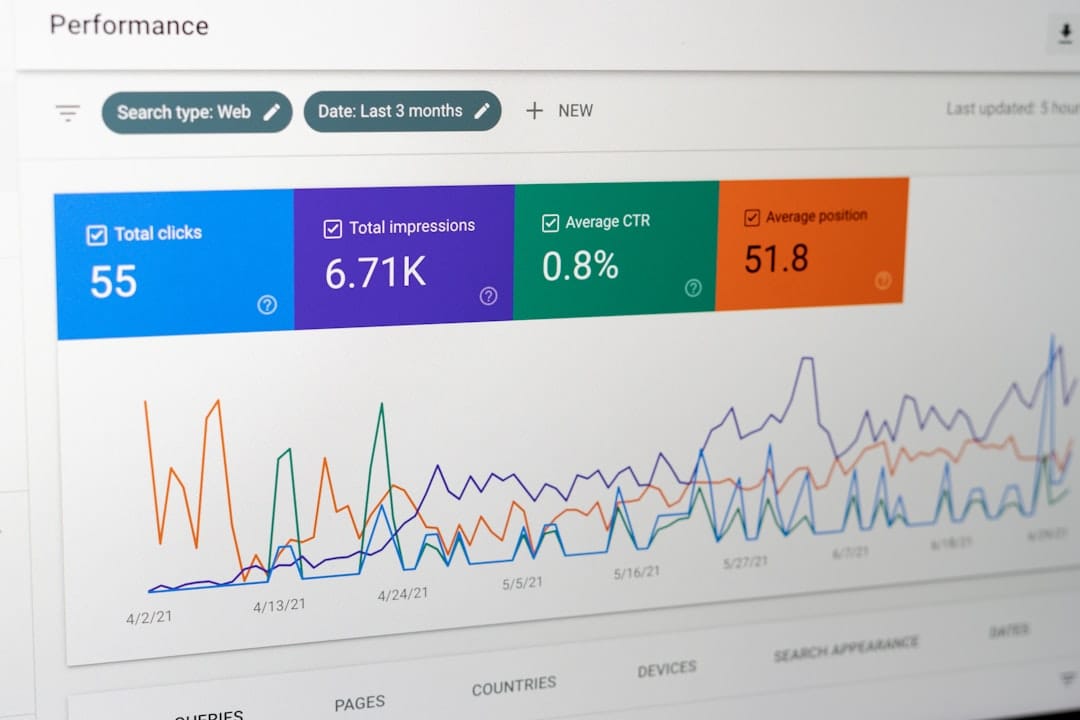
A layered e-commerce SEO strategy covers keyword research, on-page optimisation, technical health, and content authority.
Step 1 – E-commerce Keyword Research That Drives Sales
Effective e-commerce keyword research is the foundation every other strategy is built on. The mistake most store owners make is targeting broad, high-volume keywords they’ll never rank for — instead of layering their keyword map across three levels of buyer intent.
Target Buyer-Intent Keywords at Every Stage
Every keyword a shopper types signals where they are in the buying journey. Understanding that signal lets you build content and optimise pages accordingly:
- Awareness keywords (informational): “best running shoes for flat feet” — the buyer is researching. Target with blog posts and buying guides.
- Consideration keywords (commercial investigation): “Nike vs Adidas running shoes” — the buyer is comparing. Target with comparison pages and product roundups.
- Purchase keywords (transactional): “buy Nike React Infinity Run online” — the buyer is ready to buy. Target with product pages and category pages.
Your SEO effort should target all three. But your product and category pages must lock in transactional and commercial-investigation keywords first — that’s where the revenue is.
Finding Category and Product Page Keywords
For product pages, target long-tail transactional keywords: “[product name] price”, “[product name] buy online”, “[product name] review”. These have lower competition and far higher purchase intent than generic terms.
For category pages, target mid-length commercial keywords: “men’s running shoes UAE”, “organic skincare products India”, “handmade leather bags Nairobi”. These pages are your highest-authority assets — Google treats a strong category page as the hub for all the products within it.
Use tools like Ahrefs’ keyword research methodology or Semrush’s e-commerce keyword guide to build your initial list, then filter for keywords your current domain authority (DA) can realistically rank for.
When our team at Equinode worked with a Shopify fashion retailer in Mumbai, we identified that 70% of their products were targeting head terms they had zero chance of ranking for. We rebuilt their keyword map around 380 long-tail transactional queries. Within five months, organic traffic increased by 58% and organic-attributed revenue grew by 43% — without a single rupee spent on paid ads.
Not sure where to start with keyword research for your store? Our SEO team can map your entire keyword opportunity — including gaps your competitors haven’t spotted yet.
Step 2 – Product Page Optimisation for Google
Your product pages are where product page SEO optimisation meets conversion rate optimisation — every element must work for both Google and the shopper reading it. Most e-commerce stores lose the SEO battle at this step because they copy manufacturer descriptions, leave meta descriptions blank, or neglect structured data.
Title Tags and Meta Descriptions That Drive Clicks
Your product page title tag should follow this formula: [Primary Keyword] – [Key Differentiator] | [Brand Name]. For example: “Organic Aloe Vera Gel 500ml – Paraben-Free | NaturaCare India”. This format targets the keyword, highlights a buying reason, and reinforces the brand — all within 60 characters.
Meta descriptions won’t directly boost rankings, but they directly impact click-through rate — and Moz research confirms that higher CTR signals to Google that your page is the most relevant result, which does influence rankings over time. Write meta descriptions that state the product benefit, include the price or a USP, and end with a soft call to action: “Fast delivery across UAE. Shop now.”
Product Descriptions That Rank and Convert
Never use the manufacturer description. Google identifies thin, duplicated content and ranks it lower — or ignores it entirely. Write unique descriptions of at least 200-300 words per product that:
- Include the primary keyword and 2-3 related terms naturally
- Answer the buyer’s real questions (size, material, use case, compatibility)
- Use bullet points for specs and paragraphs for the story/benefit
- Reflect local context where relevant (UAE sizing standards, India voltage specs, Kenya delivery areas)
Review Schema for Star Ratings in SERPs
Implementing Google’s Product structured data with review markup adds star ratings to your product listings in search results. According to Search Engine Land, star ratings can increase click-through rates by up to 30% — a significant edge for competitive product categories. At Equinode, we implement Product schema and AggregateRating markup as standard on every e-commerce client engagement.
Want your product pages ranking on page one?
Our e-commerce SEO team has optimised product catalogues for clients across India, the UAE, and Kenya — from 50-product boutiques to 10,000+ SKU stores. We know exactly what Google is looking for.
Book a free e-commerce SEO audit → or WhatsApp us at +971 50 828 7969
Step 3 – Category Page SEO: Your Hidden Traffic Engine
Category pages are the most underused asset in category page optimisation for SEO. Most stores treat them as simple product grids with a heading and a filter bar. But Google treats a well-optimised category page as a primary authority signal for the topic — and a strong category page drives far more organic traffic than any individual product page.
Category Page Content Strategy
Every category page needs:
- A unique H1 containing the target keyword: “Men’s Running Shoes in Dubai”
- An introductory paragraph (150-250 words) at the top of the page — above the product grid — that naturally includes the primary keyword and 2-3 related terms, and addresses what the buyer is looking for
- A longer content block at the bottom (300-500 words) covering the category in depth: buying guides, size guides, material comparisons, regional considerations
- Internal links to key product pages and related categories, using descriptive anchor text
- Breadcrumb schema to reinforce site hierarchy in search results
This structure — known internally at Equinode as our “hub page framework” — signals to Google that the category page is the authoritative resource for that search query, not just a filter page.
Internal Linking from Category to Product
Internal links distribute page authority (sometimes called “link juice”) across your site. Category pages typically earn the most backlinks and organic authority. By linking from category pages to your highest-value product pages with keyword-rich anchor text, you transfer that authority where it matters most. Our technical SEO audit process at Equinode always includes a complete internal link audit — it’s one of the fastest ways to lift rankings on pages that are already close to page one.
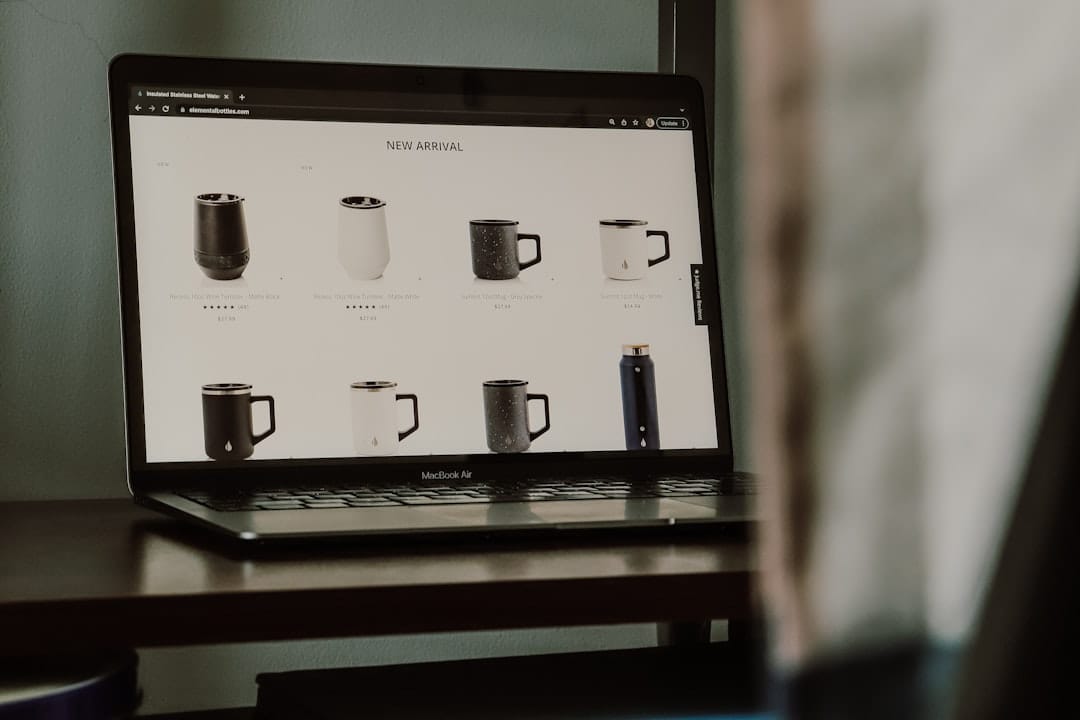
A strong internal linking structure pushes authority from high-traffic category pages down to individual product pages.
Step 4 – Technical SEO for E-commerce Sites
Technical SEO for e-commerce is where most stores haemorrhage rankings without realising it. Unlike a simple blog, an e-commerce site generates technical issues at scale — duplicate content from filters, crawl budget waste, slow page speeds, and broken canonical tags are all common culprits. Most agencies stop at basic on-page SEO. At Equinode, technical crawl audits and Core Web Vitals optimisation are standard in every engagement.
Crawl Budget and Site Architecture
Google allocates a finite number of crawls to each website — your “crawl budget”. For large e-commerce stores, wasting crawl budget on duplicate filter URLs, paginated pages, or session ID parameters means Google never crawls your most important product and category pages. Key fixes:
- Use
robots.txtto block filter, search, and sorting parameter URLs - Implement
rel="canonical"on paginated category pages pointing to the root category - Keep your site architecture flat — no product should be more than 3 clicks from the homepage
- Submit an XML sitemap containing only canonical, indexable product and category URLs
Core Web Vitals and Mobile Speed
Google’s Core Web Vitals — Largest Contentful Paint (LCP), Interaction to Next Paint (INP), and Cumulative Layout Shift (CLS) — are direct ranking factors. For e-commerce, the critical ones are LCP (how fast your product images load) and CLS (how stable the page is when images and fonts load). Target: LCP under 2.5 seconds, CLS under 0.1.
In our markets, mobile speed is non-negotiable. Over 70% of e-commerce traffic in India and Kenya comes from mobile devices, according to Think with Google. If your store loads slowly on a 4G connection, you’re losing both rankings and customers simultaneously.
Canonical Tags and Duplicate Content
E-commerce platforms — WooCommerce, Shopify, Magento — all generate duplicate content by default. Filtered views, colour variants, and sorted category pages often create multiple URLs with nearly identical content. Without canonical tags pointing to the master URL, Google splits your page authority across duplicates and ranks none of them effectively. Using Screaming Frog alongside our custom audit checklist, our team typically identifies 30-60% of indexed URLs as duplicate or near-duplicate content on first audit — pages that are actively diluting rankings.
A UAE-based electronics retailer we worked with had over 4,000 duplicate URLs indexed because Shopify’s faceted navigation was generating new URLs for every filter combination. After implementing a systematic canonical strategy and noindex directives, their crawl efficiency improved dramatically — and within three months, 12 category pages moved from page 3-4 to page 1 for their primary buying keywords.
Step 5 – Content Marketing to Build Organic Authority
Growing e-commerce organic traffic through content marketing means building informational content that attracts buyers at the top of the funnel and guides them toward a purchase. This isn’t about blogging for the sake of it — every piece of content should target a specific keyword cluster, demonstrate product expertise, and include strategic internal links to category and product pages.
Blog Content That Attracts Buyers
The most effective e-commerce content formats are:
- Buying guides: “How to Choose the Right Air Purifier for Your Dubai Apartment” — targets informational intent, links naturally to product category
- How-to content: “How to Use a Resistance Band for Knee Rehab” — attracts fitness buyers, drives traffic to resistance band product pages
- Comparison posts: “WooCommerce vs Shopify for Indian Small Businesses” — commercial investigation intent, high conversion potential
- Gift guides and seasonal content: “Best Eid Gifts Under AED 500” — UAE seasonal buying intent with strong transactional signal
Targeting Informational Keywords to Build Authority
According to Ahrefs’ e-commerce content research, stores that publish at least 2-4 informational blog posts per month earn significantly more backlinks and domain authority than stores that don’t — which in turn boosts the rankings of their commercial pages. It’s a compounding investment.
Our content team at Equinode follows a research-first approach: keyword mapping → competitor gap analysis → E-E-A-T content brief → draft → QC review. For one of our Kenya-based online retailers selling eco-friendly household products, this process produced a buying guide that ranked on page one within 11 weeks and now drives consistent organic traffic to their highest-margin product category. The store reported a 34% increase in first-time buyers from organic search within two months of the post going live.

Content marketing creates a consistent pipeline of organic traffic that compounds over time, reducing reliance on paid advertising.
Want a content strategy built specifically for your online store? Our content marketing team builds editorial plans that link directly to your revenue goals — not just your traffic numbers.
E-commerce SEO Checklist (Quick Reference)
Use this e-commerce SEO checklist to audit where your store stands and identify your highest-priority fixes:
Keyword Research
- ☐ Keyword map built for all category pages (transactional intent)
- ☐ Long-tail keywords mapped to product pages
- ☐ Informational keywords identified for blog content plan
On-Page Optimisation
- ☐ Unique title tags on every product and category page
- ☐ Meta descriptions written (not left blank or auto-generated)
- ☐ Unique product descriptions (no manufacturer copy)
- ☐ Product and review schema implemented
- ☐ Image alt text on every product image
Category Pages
- ☐ Introductory content above product grid
- ☐ Long-form content below product grid
- ☐ Internal links to key product pages
- ☐ Breadcrumb schema implemented
Technical SEO
- ☐ Canonical tags on all filter/variant URLs
- ☐ Robots.txt blocking pagination and parameter URLs
- ☐ XML sitemap submitted and clean
- ☐ Core Web Vitals: LCP < 2.5s, CLS < 0.1
- ☐ Mobile page speed tested and optimised
- ☐ No orphan pages (every page reachable within 3 clicks)
Content and Authority
- ☐ Blog publishing plan in place (min. 2 posts/month)
- ☐ Buying guides and comparison content published
- ☐ Internal links from blog posts to category/product pages
- ☐ High-quality backlinks building underway
Frequently Asked Questions
What is e-commerce SEO?
E-commerce SEO is the process of optimising an online store — its product pages, category pages, technical structure, and content — to rank higher in search engine results and attract free, organic traffic that converts into sales. It differs from standard SEO because of the scale involved: hundreds or thousands of pages must each be individually optimised, and technical issues like duplicate content are far more common.
How long does e-commerce SEO take to show results?
Most e-commerce stores see measurable improvement within 3-6 months of a systematic SEO strategy. Quick technical fixes (canonical tags, meta descriptions, schema) can show results in 4-8 weeks. Competitive keyword rankings and significant organic traffic growth typically take 4-9 months, depending on your current domain authority and competition level. Anyone promising overnight rankings is misleading you — SEO is a compounding long-term investment, and that’s exactly what our team helps clients plan for.
What are the most important e-commerce SEO factors?
The highest-impact e-commerce SEO factors are: (1) unique, keyword-optimised product descriptions, (2) strong category page content, (3) technical health (canonical tags, crawl budget, Core Web Vitals), (4) product structured data/schema for rich results, and (5) a consistent content marketing strategy. According to Semrush’s ranking factor research, on-page content quality and technical health consistently outperform all other factors.
Is SEO worth it for small e-commerce stores?
Absolutely — in fact, SEO delivers a higher long-term ROI for small stores than paid advertising, because organic traffic doesn’t stop the moment you pause your budget. A well-executed SEO for WooCommerce or Shopify stores builds compounding traffic that grows month over month. At Equinode, we’ve helped small e-commerce stores in India, Kenya, and the UAE generate consistent organic revenue without ongoing ad spend — often doubling their organic channel within 6-9 months.
How do I do keyword research for my e-commerce store?
Start by mapping your keyword research to your site structure: identify 1-2 primary keywords for each category page (transactional intent), 1-3 long-tail keywords for each product page (buyer-intent), and 5-10 informational keywords for your blog content plan. Use free tools like Google Search Console (for keywords you already rank for) and Google’s “People Also Search For” to find gaps. Paid tools like Semrush or Ahrefs provide volume and difficulty data to prioritise your efforts. For a comprehensive keyword map, our team can run a full keyword audit in a single sprint.
Your E-commerce Store Deserves to Rank
A well-built e-commerce SEO strategy is not a luxury reserved for large retailers with big budgets. It’s the most cost-effective, sustainable way for any online store to grow — regardless of whether you’re selling handmade goods in Nairobi, electronics in Dubai, or fashion in Delhi. The businesses that invest in organic search today are the ones that own their market in three years.
At Equinode, we specialise in e-commerce SEO for businesses in India, Kenya, and the UAE. We don’t do cookie-cutter audits or generic advice — we build a strategy around your specific products, your competition, and your customers. After Google’s March 2025 core update, our team refined our approach to lean even more heavily on E-E-A-T signals and genuine content depth — the results for our clients speak for themselves.
Ready to Grow Your Online Store with SEO?
Whether you’re launching a new e-commerce site or trying to break through a traffic plateau, our team at Equinode builds strategies that actually move the needle. We operate across India, Kenya, and the UAE — and we understand the search behaviours, languages, and competitive landscapes of each market.
Let’s talk about your store.
Or call us at +971 50 828 7969 — we respond within 24 hours.
Equinode is a performance-focused digital marketing agency helping businesses grow across India, Kenya, and the UAE. We specialise in SEO, Google Ads, social media, and web development. With 50+ clients across three continents, we build strategies that deliver measurable results. Learn more about us → | Get a free consultation →